










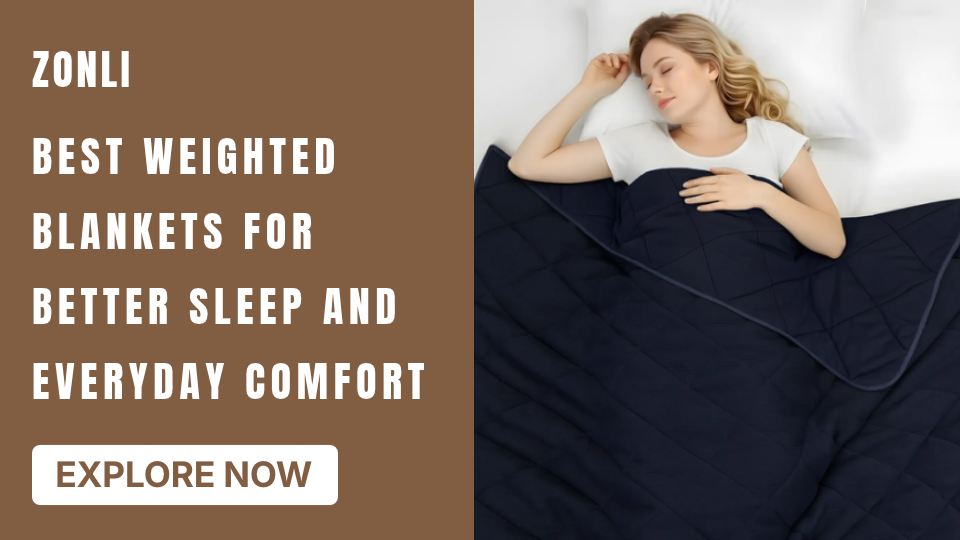
Getting comfortable at night is not always easy. Some people prefer lightweight bedding, while others enjoy the feeling of a blanket that provides gentle, evenly distributed pressure. Weighted blankets have become a popular option for people looking to create a more relaxing sleep environment and enjoy extra comfort while resting, reading, or unwinding after a busy day. Choosing the best weighted blanket, however, requires more than simply selecting the heaviest option. Weight, fabric, temperature, size, and personal preference all play an important role. Understanding these factors can help you make a more suitable choice for your routine. Zonli offers different blanket styles designed around comfort, including weighted options, making it worth exploring when comparing bedding for relaxation and everyday use.
Why Weighted Blankets Are Popular
Weighted blankets are designed to provide gentle pressure across the body using evenly distributed filling. Unlike traditional blankets, they contain small weighted materials, often glass beads, sewn into individual compartments to help maintain a consistent distribution.
Many people enjoy this pressure because it creates a cozy, secure feeling while relaxing. It can be particularly appealing during quiet evenings, when reading, watching television, or preparing for bed.
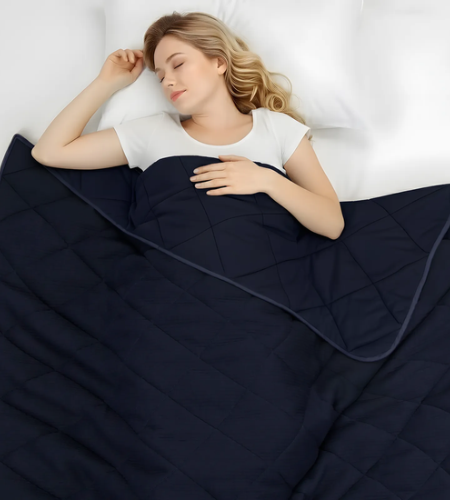
Some potential reasons people explore weighted blankets include:
- Creating a more comfortable and relaxing bedtime routine
- Enjoying a gentle pressure sensation while resting
- Adding warmth and coziness during cooler evenings
- Improving the overall comfort of a bedroom environment
- Supporting relaxation after a stressful or busy day
Although weighted blankets may help some people feel more relaxed, individual experiences differ. They should not be considered a guaranteed solution for sleep problems or medical conditions.
How to Choose the Right Weighted Blanket
Choosing a suitable weighted blanket is important because the wrong weight or material can make it uncomfortable.
Consider the Blanket’s Weight
A blanket should feel comfortable rather than restrictive. Zonli’s general guidance suggests choosing a weighted blanket around 6% to 10% of the user’s body weight. Beginners may prefer starting toward the lighter end of the range instead of immediately selecting a heavier blanket.
The blanket should allow you to move comfortably, change sleeping positions, and remove it easily when needed. People with mobility, breathing, or other health concerns should seek appropriate professional guidance before using a weighted blanket.
Choose a Comfortable Fabric
Fabric influences how a blanket feels against the skin and how warm it becomes during use. Cotton can be a suitable choice for people who prefer a familiar, natural-feeling surface, while bamboo-derived fabrics may appeal to those who prefer a smoother, cooler sensation. Plush materials can be attractive to anyone who enjoys a soft, cozy texture.
Your bedroom temperature and personal comfort preferences should guide your decision.
Check the Size
Weighted blankets are generally intended to cover the sleeper rather than hang extensively over the sides of the bed. A blanket that is too large may shift or pull downward because of its weight.
Before choosing a size, consider your sleeping arrangement, body dimensions, and whether you plan to use the blanket alone or share a bed.
What to Consider When Exploring Zonli Blankets
When comparing Zonli weighted blankets, several features deserve attention.
- Weight distribution: Small stitched compartments help keep the filling distributed throughout the blanket rather than allowing it to gather in one area.
- Material options: Different outer fabrics can provide different textures and temperature experiences.
- Multiple weight choices: Available weights can help shoppers find an option that better matches their comfort preferences.
- Everyday versatility: Weighted blankets can be used while resting on the sofa, reading, or winding down before bedtime.
These features may make weighted blankets appealing to people who enjoy consistent pressure and a more substantial bedding experience. However, heavier blankets may not be suitable for everyone, particularly people who feel restricted by additional weight.
Weighted Blankets vs. Regular Blankets
Regular blankets are generally selected for warmth, softness, and ease of movement. Weighted blankets add another element: evenly distributed pressure.
| Feature | Regular Blanket | Weighted Blanket |
|---|---|---|
| Feel | Lightweight or soft | Heavier, gentle pressure |
| Main purpose | Warmth and comfort | Comfort with added pressure |
| Movement | Easier to reposition | Requires more effort |
| Filling | Fibers, fleece, or other materials | Often glass beads and padding |
| Best preference | Flexible, lightweight bedding | A heavier, snug sensation |
Neither option is automatically better. The right choice depends on your comfort, sleep habits, and bedroom temperature.
How Zonli Fits Into the Weighted Blanket Market
Zonli focuses on bedding and comfort products, including weighted blankets made for people who prefer additional pressure while relaxing. Its weighted blanket designs use glass-bead filling combined with fabric layers to help distribute the weight throughout the blanket.
The brand has offered different fabric styles to accommodate varying comfort preferences, including cotton, bamboo-derived viscose, and plush fabric options. Each material offers a different feel, so shoppers can consider whether they prefer a breathable surface, smoother texture, or a warmer blanket.
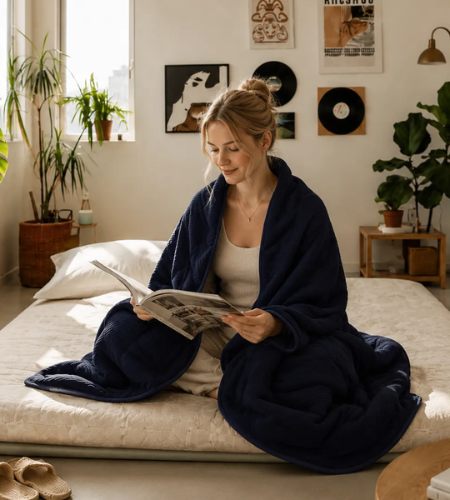
Rather than focusing only on appearance, comparing the construction, weight options, and fabric helps determine whether a blanket fits your everyday needs.
Pros and Cons of Weighted Blankets
Pros
- Can provide a cozy, secure sensation
- May make relaxation routines more enjoyable
- Different materials offer varied comfort experiences
- Available in different sizes and weights
Cons
- May feel too heavy for some users
- Can retain heat depending on construction
- Requires more effort to move or wash
- Weight selection is important for comfort and safety
Frequently Asked Questions
Are weighted blankets good for everyday use?
Some people enjoy using weighted blankets regularly while relaxing or sleeping. Comfort and suitability depend on the individual, blanket weight, and sleeping environment.
What weight should I choose for a weighted blanket?
A common starting guideline is approximately 6% to 10% of body weight. Comfort, mobility, and individual needs should also be considered.
Do weighted blankets make you feel hot?
They can. Thick padding and certain fabrics may retain warmth. People who sleep hot should look for lighter, breathable materials and consider the room temperature.
Can weighted blankets replace regular blankets?
Yes, some people use them instead of regular blankets, while others use them occasionally for relaxation. Their heavier construction may not suit every sleeping preference.
How do I maintain a weighted blanket?
Follow the manufacturer’s washing and care instructions. Some weighted blankets require gentle washing or specific drying methods to protect their filling and stitching.
Conclusion
Weighted blankets offer a different approach to everyday bedding by combining warmth, comfort, and evenly distributed pressure. Choosing the right one involves considering weight, material, size, temperature, and ease of care rather than simply selecting the heaviest available option.
If you are looking for a more comforting way to unwind at home, exploring the weighted blanket collection from Zonli can help you compare available styles and identify a design that suits your preferences. A comfortable blanket, paired with a consistent nighttime routine and a relaxing bedroom environment, can make your downtime feel more enjoyable.